
World Malaria Day 2026 : Accelerating Action Through Science, Awareness, and Partnership
Malaria remains one of the most persistent and devastating infectious diseases globally, disproportionately affecting vulnerable populations and challenging health systems, particularly across sub-Saharan Africa. As the world marks World Malaria Day 2026, the urgency to accelerate progress toward elimination is clearer than ever. This year’s theme calls for intensified global collaboration, innovation, and evidence-based action to reduce the burden of malaria and move closer to eradication.
At Atome Pharma Group, we recognize that defeating malaria requires not only access to effective treatment but also a clear understanding of the disease, its causes, transmission patterns, misconceptions, and emerging threats such as climate change.
Understanding Malaria: Key Scientific Facts
Malaria is a life-threatening disease caused by parasites of the genus Plasmodium, transmitted to humans through the bite of infected female Anopheles mosquitoes. Transmission occurs primarily at night, when these mosquitoes are most active.
There are four main species of Plasmodium that infect humans:
Plasmodium falciparum, the most deadly and predominant in Africa,Plasmodium vivax, Plasmodium ovale and Plasmodium malariae
Among these, P. falciparum is responsible for the majority of severe cases and deaths, especially in sub-Saharan Africa.
Global Burden and Epidemiology
According to the World Health Organization’s World Malaria Report 2025, malaria remains a major global public health concern:
- 282 million cases of malaria were reported globally in 2024
- 610,000 deaths were recorded worldwide
- The disease is present in 80 endemic countries
Sub-Saharan Africa continues to bear the heaviest burden:
- Approximately 94–95% of global malaria cases and deaths occur in the region
- Children under five years old account for around 75% of malaria-related deaths
- Despite decades of progress, the report highlights a worrying trend: malaria cases increased by approximately 9 million compared to the previous year, reflecting stalled progress and emerging challenges
A striking aspect of malaria mortality is its impact on children:
Children under five years old accounted for approximately 75% of malaria-related deaths in the African region
Additionally, just 11 countries account for the majority of global malaria cases and deaths, underscoring the need for targeted interventions in high-burden regions.
Vulnerable Populations
Malaria does not affect all populations equally, with a disproportionate impact on the most vulnerable groups. Children under five years of age are especially at risk due to their immature immune systems, which limit their ability to effectively fight the infection. Pregnant women are also highly vulnerable, as physiological changes during pregnancy increase the risk of severe malaria and related complications for both mother and child. These populations therefore require prioritized prevention measures, early diagnosis, and rapid access to effective treatment strategies.
Malaria Risk Mapping: A Global Perspective
Malaria transmission is not uniform across the globe. It varies depending on environmental, climatic, and socio-economic factors.

- Dark red : Very high risk areas where malaria is endemic and mortality is highest primarily sub-Saharan Africa
- Light red zones: Moderate to high risk regions, including parts of Southeast Asia and South America
- Yellow zones: Low or limited transmission areas
- Blue zones: Malaria-free regions such as Europe, North America, Australia, and New Zealand
This geographic distribution highlights the strong link between malaria transmission and environmental conditions, as well as disparities in healthcare access and infrastructure.
Malaria and Climate Change: An Emerging Threat
Malaria is highly sensitive to environmental conditions, making it particularly vulnerable to the effects of climate change. Temperature, rainfall, and humidity directly influence mosquito breeding, survival, and parasite development.
Climate change is altering the epidemiology of malaria in several ways:
- Rising temperatures accelerate mosquito development and parasite replication
- Changes in rainfall patterns create new breeding sites
- Increased humidity enhances mosquito survival
The World Health Organization estimates that climate change could result in an additional 60,000 malaria-related deaths between 2030 and 2050, representing nearly a 15% increase in annual mortality.
Expanding Geographic Risk
Climate change is expected to expand malaria transmission into new areas as temperatures rise. High-altitude regions in East Africa above 1,500 meters may become suitable for transmission, while temperate regions could also start facing emerging risks. Seasonal patterns are likely to become less predictable and more prolonged, making malaria harder to anticipate. These changes significantly challenge prevention programs, especially those based on seasonal intervention strategies.
The Need for Climate-Health Integration
Addressing this evolving threat requires sustained investment in integrated climate and health data systems capable of generating actionable insights. Strengthening early warning mechanisms for climate-sensitive diseases is essential to enable timely detection and response to emerging risks. In parallel, public health strategies must become more adaptive, dynamic environmental variables into planning and intervention design.
Ultimately, the integration of meteorological and epidemiological data will play a critical role in anticipating outbreaks, improving preparedness, and optimizing the timing and effectiveness of malaria control measures
The Role of Atome Pharma Group in the Fight Against Malaria
As a committed healthcare partner, Atome Pharma Group (APG) plays a strategic role in supporting global malaria control efforts through the reliable supply and distribution of high-quality antimalarial medicines.
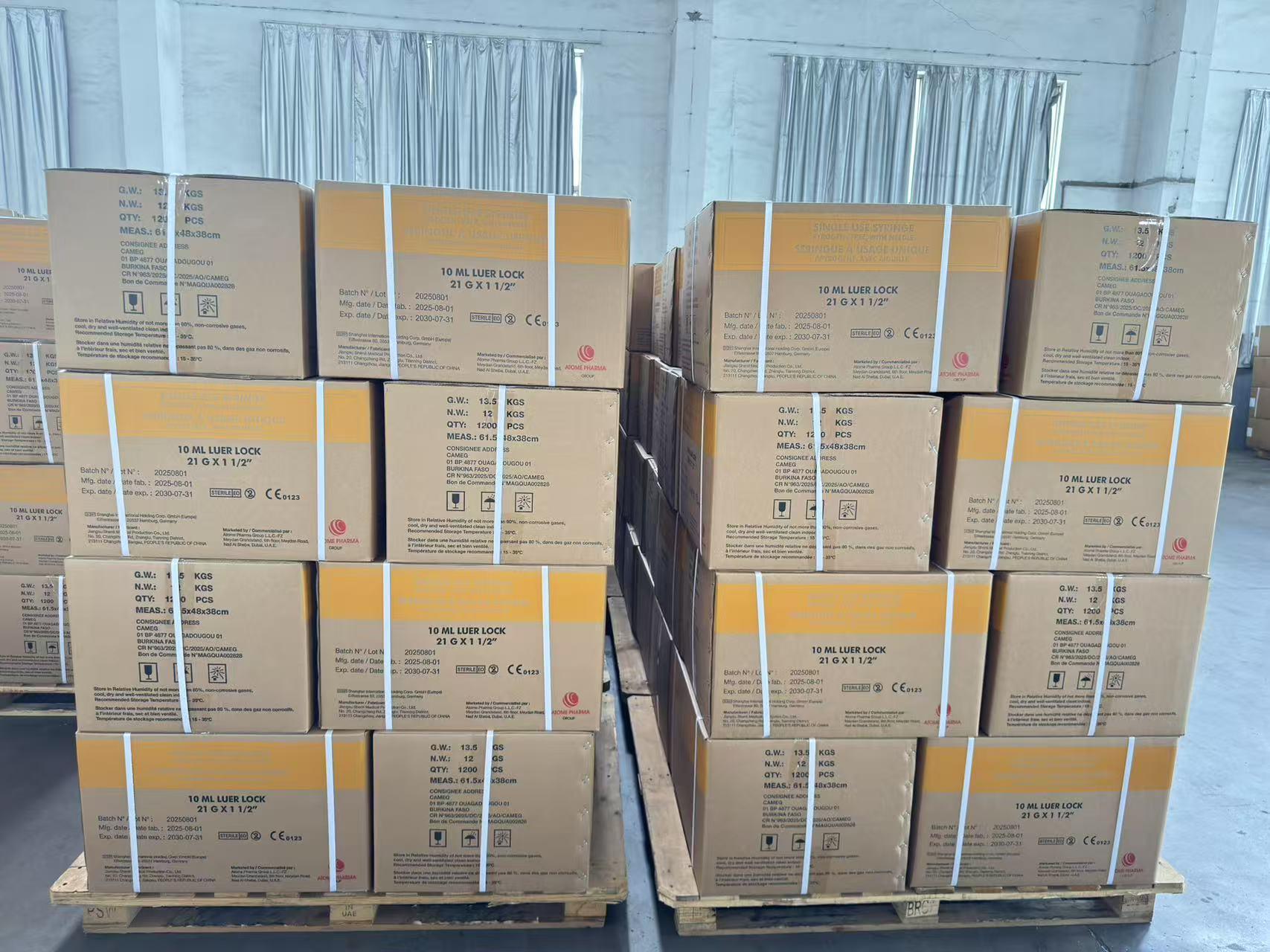
Scaling Access to Treatment
In 2025 alone:
APG delivered over 14 million, worldwide, significantly contributing to treatment accessibility in high-burden regions.
This large-scale distribution reflects the company’s commitment to ensuring lifesaving medications reach populations in need, particularly in underserved areas.
Targeted Support in High-Risk Countries
APG has also actively supported malaria response efforts in countries facing seasonal epidemics:
In Rwanda and Mozambique, the company provided four pallets of antimalarial products to support seasonal epidemic response initiatives
These interventions are critical in mitigating spikes in malaria cases during peak transmission periods.
A Trusted Partner in Global Health
Atome Pharma Group continues to collaborate with:
- National governments
- International health organizations
- Local healthcare providers
By positioning itself as a reliable supplier of antimalarial medicines, Atome Pharma Group contributes to strengthening health systems and ensuring continuity of care.
Looking Ahead: Accelerating Action Toward Elimination
The fight against malaria is at a critical juncture. While significant progress has been made over the past decades, emerging challenges including drug resistance, funding gaps, and climate change threaten to reverse gains.
To align with the vision of World Malaria Day 2026, collective action must focus on:
- Expanding access to effective prevention and treatment
- Strengthening health systems and supply chains
- Investing in research and innovation
- Enhancing community awareness and behavioral change
Pharmaceutical companies, governments, and global health partners must continue to work together to scale impactful solutions.

Dr. Yvonne Ngatchou
Medical and scientific manager at APG